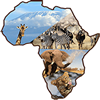
Embark on a once-in-a-lifetime Wildebeest Migration Safari to witness the incredible display of nature's wonders of the world.


Masai Mara
Mount Kenya
Embark on a thrilling adventure with our comprehensive guide to Mount Kenya climbing, the second tallest peak in Africa.
Discover the thrill to Mount Kilimanjaro climbing with our expert guides. Conquer the highest peak in Africa and create lasting memories.
Lake Nakuru
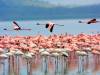
Experience an unforgettable birding adventure at Lake Nakuru National Park in Kenya and witness flamingos and other birds in their natural habitat.
Hell's Gate
Venture on a thrilling Hells Gate biking safari and explore the beauty of nature on two wheels enjoying the stunning landscapes and wildlife.
Zanzibar
Indulge in a luxurious escape with our Zanzibar beach holiday package. Relax on pristine beaches, enjoy crystal-clear waters, and immerse yourself in the beauty of this tropical paradise.
Car Hire
Looking to rent a car in Kenya? Our Kenya car hire services provide top-notch vehicles for hire at competitive rates. Book now and experience a hassle-free journey in Kenya.



Best Kenya Backpacking Safari
Overview
Embark on the best Kenya backpacking safari which offers an incredible opportunity to experience the country’s stunning landscapes, diverse wildlife, and rich cultures on a budget. You will explore iconic national parks and reserves like the Masai Mara, Lake Nakuru, Lake Naivasha, Amboseli and Tsavo. While on safari, you may witness the Great Migration if in season, spot the Big Five, and enjoy breathtaking scenery. This tour package is ideal for families, friends, or colleagues.
Backpacking Budget Accommodation
Our camps are equipped with beds, beddings, mosquito nets, flush toilets, and hot water showers. There is a communal dining area where meals are served in a buffet style. Additionally, we cater for special dietary requirements including vegetarian and vegan options.
Transport Logistics
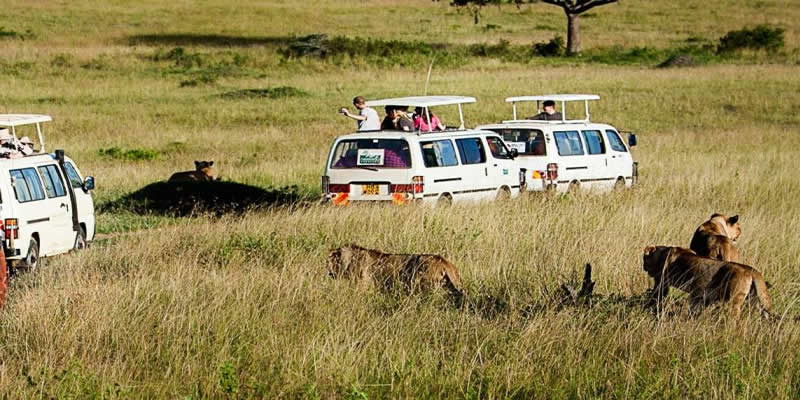
Kenya epic safaris facilitates travel and game drives with our customized 4×4 safari vehicles. Typically, the vans/jeeps are accessorized with pop up roofs ideal for game viewing, communication gadgets and comfortable seats. After all our aim is to enhance the overall safariing experience.
Kenya Backpacking Safariing
During your budget-friendly safari in Kenya, you will benefit from the expertise of our skilled driver guides. Equally important the guides possess extensive knowledge of the wildlife and various landscapes that you will encounter.
Experiencing the excitement of exploring wildlife but also sceneries is an adventure that every traveler should include in their bucket list. Moreover, the best Kenya backpacking safari package offers you the chance to engage directly with the rich cultural diversity of the region. At the same time enjoy remarkable game viewing opportunities in this premium parks, lakes and reserve.
Call To Action
Initiate your ideal safari experience by contacting our team. We are here to provide you with essential information, outline what to expect and offer guidance. Reach out to us today to begin your journey with the best backpacking safari in Kenya. We aim to help you realize your travel aspirations.

- Nairobi Excursions.
- Mombasa Excursions.
- Hell's Gate Day Trip.
- Lake Nakuru Day Trip.
- Mount Longonot Day Trip.
- Amboseli Camping Safari.
- Masai Mara Camping Safari.
- Masai Mara / Lake Nakuru Budget Safari.
- Climbing Mount Kenya Sirimon Route.
- Climbing Mount Kilimanjaro Machame Route.
- Hiking Mount Kilimanjaro Marangu Route.
Nine Days Masai Mara, Lake Nakuru, Lake Naivasha, Amboseli, Tsavo West & East Budget Camping Safari. [Itinerary]
Day One: Nairobi – Masai Mara
First, a representative from Kenya epic safaris will meet you at your hotel or pick you up from the airport. Secondly, the rep will brief and hand you over to your assigned driver guide, who will facilitate the best Kenya backpacking safari.
Your driver guide will drive you to the famous Masai Mara game reserve. Shortly after your departure, there will be a brief stop at the Great Rift Valley viewpoint, allowing you to view a portion of the valley and capture some photographs or selfies. This valley extends from Jordan in Israel to Mozambique, covering a distance of 8,000 miles.
You will then proceed to Narok town for lunch before continuing your journey to the game reserve, where you are expected to arrive in the late afternoon. The camp staff will welcome you and escort you to your designated tents.
Experience an exhilarating game drive as you navigate through the renowned wildlife reserve. The globally celebrated Masai Mara is distinguished by the millions of wildebeest, gazelles, and zebras that traverse the Mara River, creating the spectacular event known as the wildebeest migration. Dinner and overnight accommodations will be provided at a budget tented camp.
Day Two: Masai Mara
Today, we will embark on a comprehensive game drive. Following your awakening, you will gather in the dining area for a hearty breakfast. Your safari guide will coordinate with the cook to arrange your picnic lunches.
You will then set out in pursuit of wildlife. The Masai Mara is renowned for its remarkable population of big cats, as well as herds of elephants, zebras, resident wildebeest, antelopes and gazelles among others. Remarkably, avian life is also abundant, you are bound to encounter migratory and resident birds. The Masai Mara Game Reserve presents an excellent opportunity to observe all of the Big Five.
You will spend the entire day engaged in game viewing, which includes a visit to the Mara river, where you will observe crocodiles basking in the sun. There is an option to visit a Masai village or take an early morning balloon ride at an additional fee. Dinner and overnight accommodations will be provided at a budget tented camp.
Day Three: Masai Mara – Lake Nakuru
Wake up at dawn, the African sunrise offers the perfect setting to take amazing photos and selfies as you enjoy your breakfast. Afterwards, your driver guide will drive you to Lake Nakuru, stopping for lunch along the way and expect to arrive in the afternoon. Often described as a birdwatcher’s haven, Lake Nakuru is renowned for the millions of pink flamingos that inhabit its shores.
The view of the lake from the baboon cliff reveals a stunning pink hue, attributed to the vibrant plumage of the flamingos, which has led to its nickname, “Pink Lake.” The park is home to approximately 450 species of birds, encompassing both migratory and resident varieties.
Designated as a World Heritage Site, the park is acknowledged as a wetland of global significance. Lake Nakuru not only boasts over 50 species of mammals but also serves as a sanctuary for both black and white rhinos.
It is notable for having the highest population of black rhinos in Kenya, alongside white rhinos that have been introduced from South Africa. Due to the park’s limited size, elephants are absent, as they require expansive areas rich in vegetation for sustenance. Dinner and overnight accommodations will be at an affordable hotel in the town.
Day Four: Lake Nakuru – Lake Naivasha
Following a delightful breakfast, you will proceed to Hell’s Gate National Park. Upon your arrival, your driver guide will introduce you to your adventure guide.
Your guide will arrange for mountain bikes, and after completing the necessary park formalities, you will begin cycling amidst the wildlife, with the assurance that there are no predators in the area. A stop will be made at Fitcher’s Tower for a rock climbing experience on the 500-meter-high rock formation. You will continue cycling to the ranger’s post, where a brief rest will be taken.
Following lunch, you will embark on an exhilarating walking safari, taking in the breathtaking views of the gorge. The evidence of volcanic activity is apparent, with hot water streaming down the gorge walls. This guided walk through the gorge will last approximately two hours.
The hot springs, stunning landscapes and diverse wildlife are truly remarkable. Afterwards, you will return to collect your bikes and cycle back to the park entrance. Transfer to Fish Eagle Camp for dinner and an overnight stay.
Day Five: Lake Naivasha – Amboseli
After a scrumptious breakfast transfer to lake Naivasha for a boat ride. Lake Naivasha is situated at the highest elevation among all lakes in the Rift Valley. Besides that, the lake reaches an altitude of 1,800 meters above sea level and is classified as a freshwater lake. It is home to numerous hippos and a diverse array of bird species, particularly the fish eagle.
Depart and travel to Amboseli, to arrive at Kimana Camp in time to enjoy a hot and delectable lunch. Upon your arrival, the camp staff will guide you to your designated tents. You may spend your afternoon at your leisure or engage with the local community; subsequently, you will embark on an evening game drive.
Amboseli is home to a diverse array of wildlife, including the Big Five, various feline species, plains game, and numerous bird species. Dinner and overnight accommodations will be provided at Kimana Camp.
Day Six: Amboseli
Awaken early to witness the breathtaking sight of Mt. Kilimanjaro, which stands majestically as the stunning backdrop of this remarkable park. On a clear day, the snow-capped peaks are clearly visible. Following breakfast, embark on a morning game drive. At this time you will have the best chance to observe wildlife, as animals are most active during the cooler hours before the sun intensifies.
Amboseli has the largest population of elephants and has served as a focal point for elephant research for the past three decades. Notably, each elephant is identified by name. The game drive will also include a stop at the observation point, providing an opportunity to enjoy a panoramic view of the Amboseli plains.
After returning to the campsite for lunch, you may choose to relax in the afternoon or take a stroll around the camp to socialize. In the evening, set out for another game drive, where you may encounter large herds of elephants. Amboseli is home to a diverse range of bird species, both migratory and resident. All meals and overnight accommodations will be provided at Kimana Camp.
Day Seven: Amboseli – Tsavo West
Begin your day with a delightful breakfast, followed by an exhilarating morning game drive. Depart for Tsavo West, where you will arrive at the camp in ample time for a hot lunch. Assistance will be provided for pitching your tent while the cook prepares your meal. The afternoon is yours to enjoy at your leisure, and later, you will embark on an evening game drive.
Tsavo West, often referred to as the “Land of Lava, Man-Eaters, and Springs,” is renowned for the infamous man-eating lions that hunted workers during the construction of the railway to Uganda. This vast park is comparable in size to Israel, encompassing 4% of Kenya’s total land area. Mzima Springs, a verdant wetland, acts as a vital water source, releasing 450 million liters of clean water daily.
A stroll along the banks of Mzima Springs provides a chance to observe schools of hippos relaxing in the water. The submerged observation chamber allows visitors to witness the diverse marine life. The game drive will also include a visit to the Shetani Lava Flow and the Five Sister Hills. Dinner and overnight accommodations will be provided at the campsite.
Day Eight: Tsavo West – Tsavo East
An early morning breakfast will be followed by a game drive. Depart for Tsavo East National Park, to arrive in time for lunch. Together, Tsavo West and Tsavo East form the largest national parks in Kenya. Tsavo East is often referred to as the “Theatre of Wild.” The afternoon will be free for leisure activities, after which an evening game drive will take place.
A visit to the Galana River and the Rhino Sanctuary, established to safeguard rhinos from poaching, is included. Tsavo features extensive flat plains interspersed with the lengthy Galana River, which allows elephants to traverse ancient migratory paths that they have followed for a long time.
The elephants of Tsavo are notable for their unique brick-red hue, a result of the dust in which they enjoy wallowing and bathing. Tsavo East is home to a rich diversity of wildlife, including the renowned “big five”; lions, black rhinos, cape buffalos, elephants and leopards.
Additionally, the park boasts a wide array of bird species, such as the black kites, crowned cranes, lovebirds and sacred ibis. Dinner and overnight accommodations will be provided at the campsite.
Day Nine: Tsavo East – Nairobi
A pre-breakfast game drive will commence at 6:30 A.M.; this will allow you to witness the breathtaking African sunrise. Apart from this, the sunrise offers an ideal backdrop for capturing stunning photographs and selfies. In addition, you will also get the chance to spot any wildlife species you may have overlooked during previous game drives.
Return to the camp by mid-morning, where a hearty breakfast will be served. Following your meal, you will embark on your journey back to Nairobi. Also, lunch will be provided along the way, arriving in the late afternoon. Finally, your guide will drop you off at either a hotel or the airport, marking the conclusion of the best backpacking safari in Kenya.
End of services.
- What's Included
- What's Excluded
- Transport in a customized safari van with a pop up roof ideal for game viewing .
- All park entrance fees.
- Meals as described in the itinerary.
- Budget accommodation.
- Game drives and other activities as described in the itinerary.
- Services of an English speaking driver guide.
- Complimentary Bottled water 1 Litre per person per day.
- All government taxes.
- International airfares.
- All expenditure of personal nature such as telephone calls, hard drinks, soft drinks and laundry.
- Tips.
- Visas.
- Travel Insurance.
Best Kenya Camping Accommodation
- Masai Mara G/R
- Lake Nakuru N/P
- Lake Naivasha
- Amboseli N/P
- Tsavo West & East N/P
The renowned Masai Mara offers a variety of budget-friendly camping accommodations. Numerous campsites are situated both within the reserve and in close proximity to it.
These campsites feature permanently erected tents equipped with beds, bedding, mosquito nets, flush toilets, and hot showers. Bedding is refreshed daily, and guests are provided with towels. Each tent can accommodate one, two, or three individuals, and there is the option to set up a personal tent within the campsite area.
Dining facilities are available at the campsites, where meals are served alongside a bar. Our cook prepares fresh food in a buffet style, and we are able to accommodate special dietary requirements. In the evenings, guests can enjoy a bonfire while being entertained by Masai warriors, providing an opportunity to socialize and relax.
Lake Nakuru is a relatively compact national park, which results in a limited number of camping facilities available within its boundaries. Nevertheless, there are alternative campsites situated around the park, as well as budget accommodations in Nakuru town.
Ground camping is highly favored among tourists who enjoy the thrill of outdoor adventures. The campsites are distributed throughout the park and are in proximity to the lake, providing breathtaking views of the park’s landscapes, including Makalia Falls.
Lake Naivasha offers a diverse range of campsites and affordable hotels. Certain campsites are located directly beside the lake, while others are conveniently situated near both the lake and Hell’s Gate National Park.
Visitors have the option to choose between budget tented accommodations or traditional ground camping within the designated areas. We suggest considering Crayfish Camp, Fish Eagle Cottages, Fisherman’s Camp, and Camp Carnelley’s. All of these facilities are in close proximity to the lake.
Budget campsites at Amboseli National Park are somewhat limited and situated outside the park’s boundaries. However, the camps are within a short driving distance from the various entrance gates. Significantly visitors can choose between tented accommodations or a more traditional ground camping experience.
The tented camps are equipped with beds, bedding, mosquito nets, flush toilets and hot showers. Bedding is refreshed daily, and guests are provided with towels. Each tent can accommodate one to three individuals.
The campsites feature dining areas where meals are served, along with a bar. Our cook prepares fresh food in a buffet style, and we are able to accommodate special dietary requirements. In the evenings, guests can enjoy a bonfire while being entertained by Masai warriors, providing an opportunity to socialize and relax.
Accommodation options in Tsavo West comprise self-catering bandas, guest houses, public campsites, and budget hotels located in proximity to the Mtito Andei Gate. The public campsites feature Kamboyo Campsite, situated 8 kilometers from Mtito Andei Gate, Chyulu Campsite, located 1 kilometer from Chyulu Gate, and Lake Jipe Campsite, which is positioned along the lakeshore. In Tsavo East, accommodation is available at Ndololo public campsites or budget hotels near Voi Gate.
Know Your Parks / Reserve
- Masai Mara G/R
- Lake Nakuru N/P
- Hell's Gate N/P
- Lake Naivasha
- Amboseli N/P
- Tsavo West N/P
- Tsavo East N/P
Kenya’s Wildlife Jewel
The renowned Masai Mara National Reserve is regarded as the premier game-viewing destination in Kenya. It has received accolades as the best game reserve in Africa for two consecutive years from the World Travel Awards. Notably, this reserve provides an exceptional opportunity to observe the Big Five.
The Big Five, which includes lions, leopards, buffaloes, elephants, and rhinos can be encountered here. Significantly, the annual migration of over a million wildebeests and zebras from the Serengeti plains is a wildlife phenomena. A diverse array of ungulates is also readily observable, including wildebeests, Thomson’s gazelles, grant’s gazelles, buffaloes, rhinos, impalas, Topis, elands, zebras, giraffes and duikers.
Common predators in the area include lions, cheetahs, leopards, hyenas, jackals and foxes. Masai Mara is home to over 450 identified bird species, with notable examples being the common ostrich, secretary bird, Kori bustard, hornbills, storks, eagles and vultures.
Pink Lake
Lake Nakuru is recognized as one of the alkaline lakes situated within the Great Rift Valley. Commonly referred to as the “Pink Lake” or Africa’s Bird Paradise, it is strategically positioned in central Kenya, within the confines of Lake Nakuru National Park. The park spans an area of 188 square kilometers, while the lake itself covers approximately 62 square kilometers.
The lake is renowned for the vast numbers of flamingos that congregate there, although these birds can be unpredictable and may not always be present in large quantities through out the year. From the vantage point of baboon cliff, the lake appears pink due to the presence of flamingos. The landscape surrounding Lake Nakuru features a mix of grasslands, rocky cliffs, acacia woodlands, and a forest dominated by euphorbia trees.
Bird’s Paradise
There are two primary species of flamingos found in the lake. In particular, the lesser flamingo and the greater flamingo, both of which feed on algae that thrive in the warm alkaline waters. In addition to flamingos, the area is home to various other bird species, including ducks, pelicans, cormorants, plovers, vultures, eagles, and buzzards.
Lake Nakuru also hosts over 50 species of mammals, such as hippos, reedbucks, waterbucks, Rothschild giraffes, baboons, black and white colobus monkeys, hyenas, cheetahs, leopards, lions, gazelles, and impalas, among others.
Hell’s Gate is renowned for its natural hot geysers and serves as a breeding habitat for eagles and vultures. Visitors can choose from a variety of activities, including driving, walking, camping, cycling and rock climbing within the park. Additionally, horseback safaris can be organized. The landscape features several iconic viewpoints, such as Fischer’s Tower, which was once a volcanic plug, along with the Central Tower and Njorowa Gorges.
The park is also home to two extinct volcanoes, Olkaria and Hobley’s, which are worth visiting. Natural steam vents emerge from fissures in the volcanic rock, and obsidian—an impressive black, glassy rock formed from solidified lava—can be found throughout the area. Wildlife in the park includes buffalo, Masai giraffes, elands, Coke’s hartebeest, gazelles and various antelopes.
A paradise for birdwatchers and rock climbers alike, the cliffs of Hell’s Gate provide breeding grounds for vultures, Verreaux’s eagles, augur buzzards, and thousands of swifts. A total of 103 bird species have been documented within the park.
Lake Naivasha is situated at the highest altitude among the lakes in the Kenyan Rift Valley, reaching an elevation of 1,890 meters. It is nourished by two rivers, the Malewa and Gilgil, and notably lacks a visible outlet. The lake spans an area of 140 square kilometers, although this size fluctuates annually in response to rainfall patterns. Its average depth is 8 meters and it is classified as a freshwater lake.
Surrounding much of the lake are forests of the yellow-barked Acacia Xanthophlea, commonly referred to as the yellow fever tree. These woodlands are rich in avian life, making Naivasha a premier destination for birdwatching enthusiasts.
The lake is home to populations of hippopotamuses and a diverse array of bird species, with the fish eagle being particularly prevalent. A delightful way to enjoy the scenery is by taking a boat ride either in the morning or afternoon.
The Park
Amboseli National Park is situated to the south of Nairobi, approximately 140 kilometers away, which translates to a four-hour drive from the city. The park encompasses an area of 392 square kilometers. Its ecosystem features a seasonal body of water known as Lake Amboseli, from which the park derives its name, along with swamps, expansive plains, acacia woodlands, rocky outcrops, thorny bushes, and marshlands. The landscape is prominently characterized by the stunning snow-capped peaks of Mount Kilimanjaro, the tallest mountain in Africa. These snow caps are most visible during clear weather, particularly in the early morning and late evening hours. The picturesque scenery provides ample opportunities for capturing memorable photographs to share with friends and family back home.
Amboseli: A Wildlife Treasure
Many tourists regard Amboseli National Park as Kenya’s second most significant wildlife destination, following the Masai Mara Game Reserve. It is notable for having the highest population of elephants among Kenya’s national parks. Despite its relatively small size compared to other parks, Amboseli supports a diverse array of bird species and wildlife. The local population primarily consists of the Masai, although individuals from other Kenyan tribes have also settled in Amboseli in search of better opportunities. In addition to wildlife viewing and the breathtaking vistas of Mount Kilimanjaro, visitors have the chance to explore a local Masai village, gaining insights into their culture and engaging with the community.
The Park
Tsavo West National Park spans an impressive area of 9,065 square kilometers and is situated in South Eastern Kenya, approximately 240 kilometers from Nairobi and 250 kilometers from Mombasa, leading to the Mtito Andei Gate. The park is renowned for its stunning landscapes, Mzima Springs, diverse wildlife, well-maintained road network, a dedicated rhino reserve, opportunities for rock climbing at Kichwa Tembo Cliffs and guided excursions along the Tsavo River.
The park is home to a rich array of wildlife, including the black rhinos, Cape buffalos, elephants, leopards and lions. Additionally, visitors may encounter smaller species such as bushbabies, hippos, hartebeests, lesser kudus and Masai giraffes.
Attractions
Mzima Springs serves as a natural aquifer located beneath the Chyulu Hills to the north. The Chyulu range consists of volcanic lava rock and ash, which is highly porous, preventing the formation of rivers. Instead, rainwater seeps through the rock and may remain underground for up to 25 years before surfacing 50 kilometers away at Mzima Springs.
This spring generates an astounding 450 million liters of water daily, supporting the Tsavo ecosystem and supplying some water to the coastal region via a pipeline. At Mzima Springs, one can observe schools of hippos, crocodiles, various fish, and water birds such as cormorants. Hippos typically graze at night and spend their days lounging in the water, either fully or partially submerged.
The Shetani Lava Flow, a striking black lava formation measuring 8 kilometers in length, 1.6 kilometers in width, and 5 meters in depth, is a remnant of volcanic activity that occurred 240 years ago. Local communities refer to this flow as “shetani,” meaning evil in Kiswahili, due to the legends surrounding its eruption. Ascending the flow can be challenging, as the thick black soil consists of uneven fragments of solidified magma.
The Roaring Rocks offer breathtaking panoramic views, typically reserved for the eagles and buzzards that soar around these cliffs.
The Park
Tsavo East National Park stands as one of the oldest and largest national parks in Kenya, encompassing an area of 11,747 square kilometers. Situated near the village of Voi in the Taita-Taveta District of Coast Province, the park is divided into eastern and western sections by the A109 road and a railway line.
The park shares its borders with Chyulu Hills National Park and the Mkomazi Game Reserve in Tanzania. The region experiences a warm and arid climate. Access to the park requires a smart card, which can be recharged at the Voi gate.
Among the notable attractions of Tsavo East National Park are the renowned “Red Elephants.” This distinctive coloration results from the elephants’ behavior of wallowing in the Galana River and rolling in the region’s red soils.
Attractions
Aruba Dam, located on the northern bank of the seasonal Voi River, serves as a popular gathering spot for numerous animals and offers excellent opportunities for game viewing.
Mudanda Rock is a prominent 1.6 km inselberg of stratified rock that functions as a water catchment, creating a natural dam below. It provides an outstanding vantage point for observing the hundreds of elephants and other wildlife that come to drink during the dry season.
The Yatta Plateau, recognized as the world’s longest lava flow, extends along the western boundary of the park above the Athi River. This 290 km formation was created by lava from Ol Doinyo Sabuk Mountain.
Lugard Falls, named in honor of Frederick Lugard, consists of a series of white-water rapids on the Galana River.
Tsavo East is home to a rich diversity of wildlife, including the iconic “big five”: lion, black rhino, cape buffalo, elephant, and leopard. Additionally, the park boasts a wide variety of bird species, such as the black kite, crowned crane, lovebird, and the sacred ibis.
Do's & Dont's Within Parks / Reserves.
Do's & Dont's Within Parks / Reserves.
- Do not Litter the park/reserve.
- Do not feed the animals, i.e. monkeys or baboons.
- Do give the animals the right of way and do not disturb wildlife.
- Do not take any plant or animals remains, dead or alive.
- Do not start fires or throw cigarettes in the parks/reserve.
- Do stay in your vehicle except at designated viewing points.
- Do not shout, laugh loudly, honk or play loud music as this will keep away the animals.
- Do not provoke any animals; it’s dangerous.